The Campus Crossword Trend: Student Newspapers Winning the Engagement Game!


Discover how independent student newsrooms at UPenn, Stanford, Harvard, and UChicago use PuzzleMe smart games to drive daily reader habits and sustainable digital revenue.
For decades, the morning ritual of a university student was synonymous with a heavy broadsheet and a lukewarm coffee in the dining hall. Today, that ritual has migrated to the smartphone, but the psychological need remains the same: a moment of cognitive priming before the day’s lectures begin.
Far from being a distraction from study, providing a brain break is now considered an essential part of digital well-being. A Daily Mail article highlights that 80% of Gen Z actively seek out micro-joys (small, low-stress daily wins), leading to a ‘little treat culture’.
When a student solves a puzzle between classes, they are not procrastinating; they are engaging in a form of mental warm-up. Studies published by the National Library of Medicine suggest that puzzle-based learning helps in improving focus and knowledge retention. By hosting these games, student newspapers are providing a vital service that also keeps readers within their ecosystem during these key transition moments of the day.
Independent student newspapers occupy a unique space in the media landscape. They are the heartbeat of campus culture, often acting as the primary source of accountability and community news. However, in an era of infinite scroll, the challenge is retention.
This is where smart games become a strategic asset. Industry usage indicates that interactive components have higher time-on-page than static articles. For a student publication, this increased engagement is not only a metric but also a way to ensure that their investigative reporting and campus updates are actually being seen by a loyal, returning audience. By hosting their own games, these publications cultivate a specialized pool of student constructors who get to hone the sophisticated craft of puzzle architecture. This process turns the newsroom into a creative laboratory where students learn to balance grid symmetry with cultural relevance. The result? Puzzles packed with inside-campus jokes, fun references to university lore, and localized clues that a generic, syndicated puzzle could never replicate. This shared insider language builds a profound bond between the publication and the reader, transforming a daily solve into a badge of campus identity. According to Attest’s Gen Z Media Report, 46% of Gen Z readers actively prefer these interactive formats over passive content.
Today, some of the most prestigious student-run publications in the U.S. are using the PuzzleMe platform to redefine what campus engagement looks like.
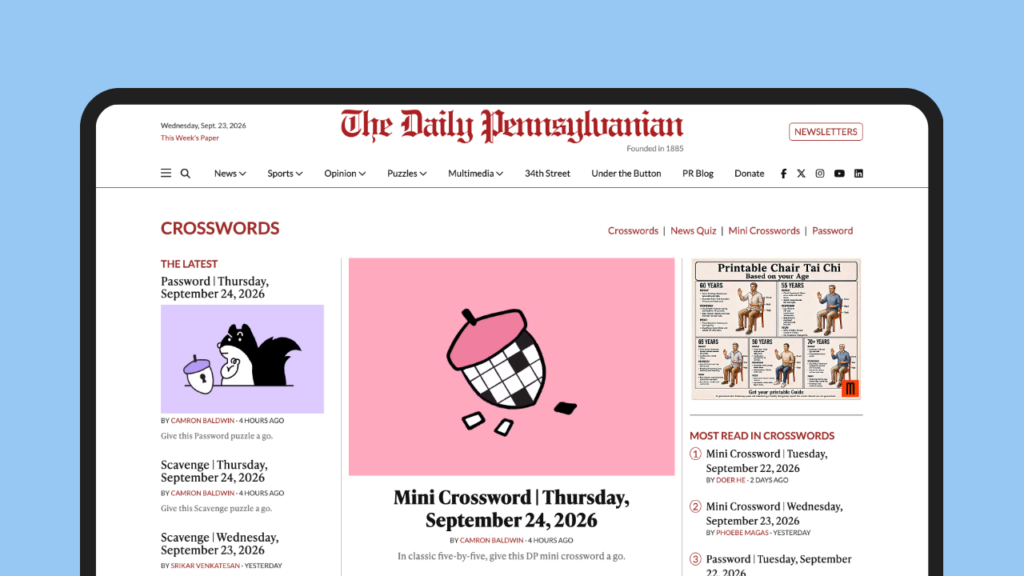
The Daily Pennsylvanian (DP), the University of Pennsylvania’s independent student media organization, has transformed its games section into a primary destination.
The Strategy: The DP leverages PuzzleMe to support its digital sustainability. By running display advertising directly on their puzzle pages, they turn high-engagement minutes into a reliable revenue stream, proving that interactive content is a viable business model for student media.

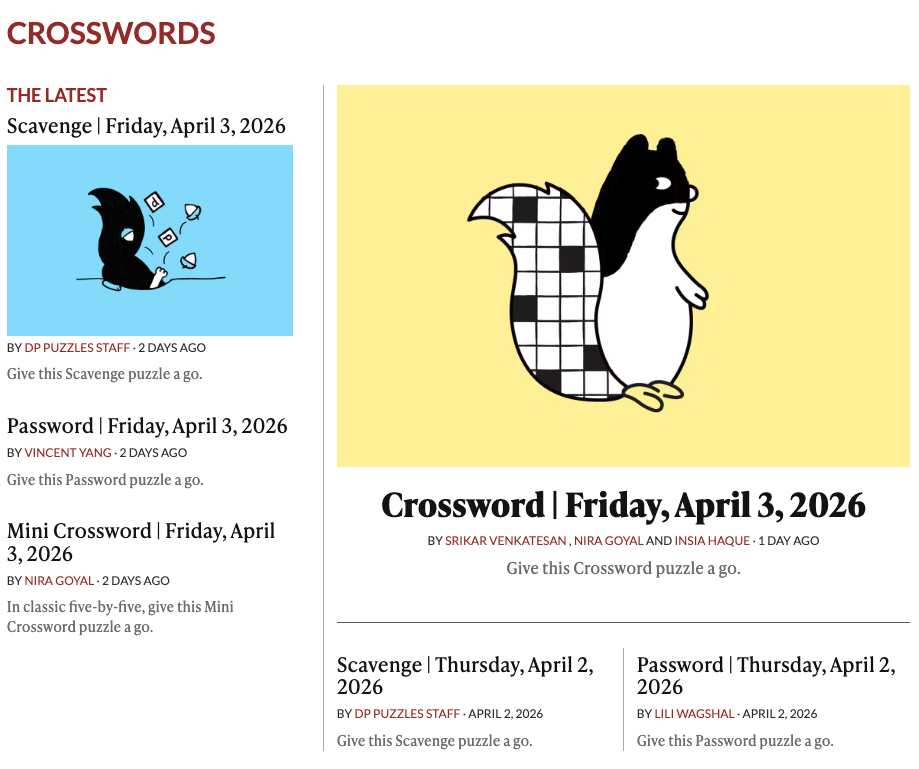
The Stanford Daily uses its games to tap into the culture of the university.
The Strategy: Their puzzles are hyper-local, featuring clues about specific professors, campus landmarks, and student traditions. Like the DP, they integrate display ads into the puzzle experience, creating a high-value environment for local sponsors looking to reach a focused student audience.
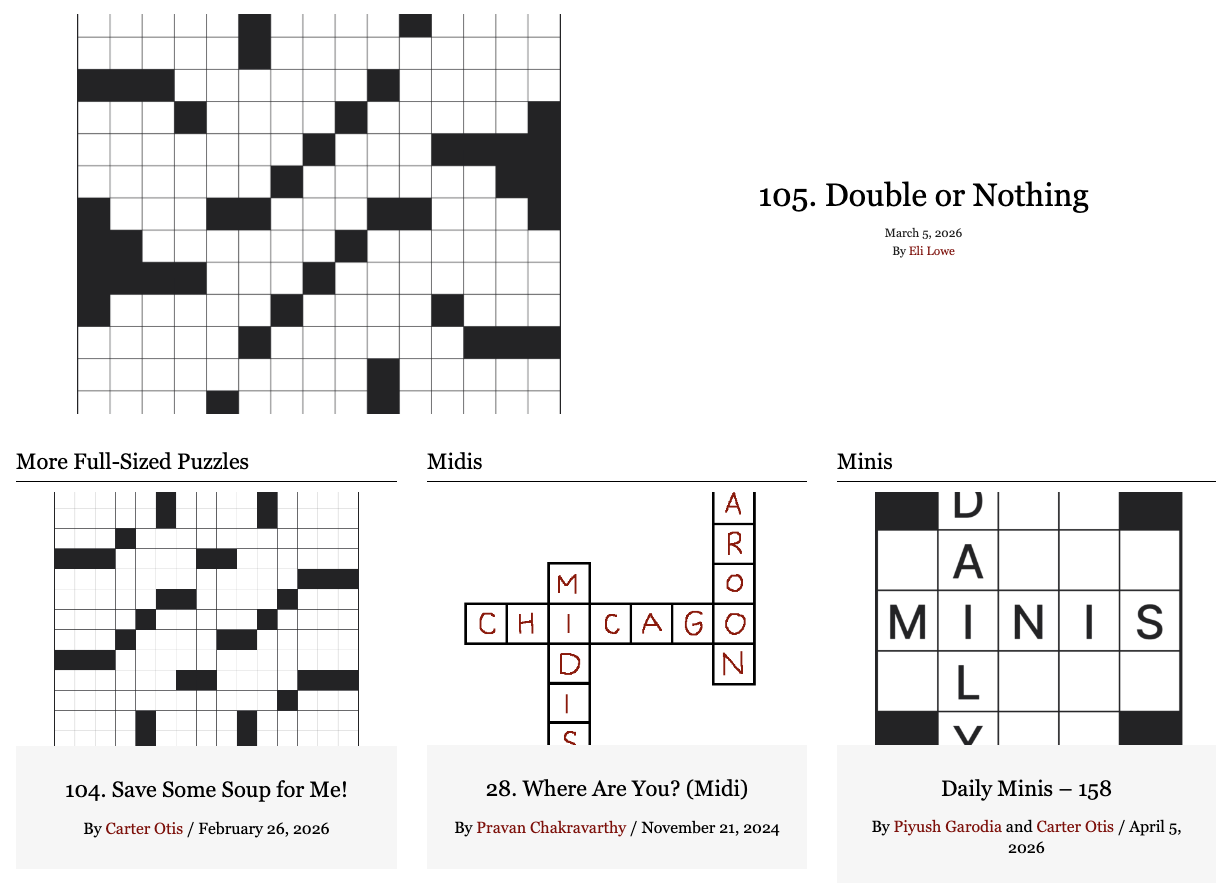
University of Chicago is known for its rigorous intellectual environment, and The Chicago Maroon’s puzzles reflect that standard.
The Strategy: Their games section cultivates a unique campus tradition within the University of Chicago community. By integrating student-authored puzzles that often mirror the nuances of campus life, the publication establishes a consistent ritual that strengthens reader affinity among students and faculty alike. This reinforces the publication’s role as the intellectual water cooler of campus life.
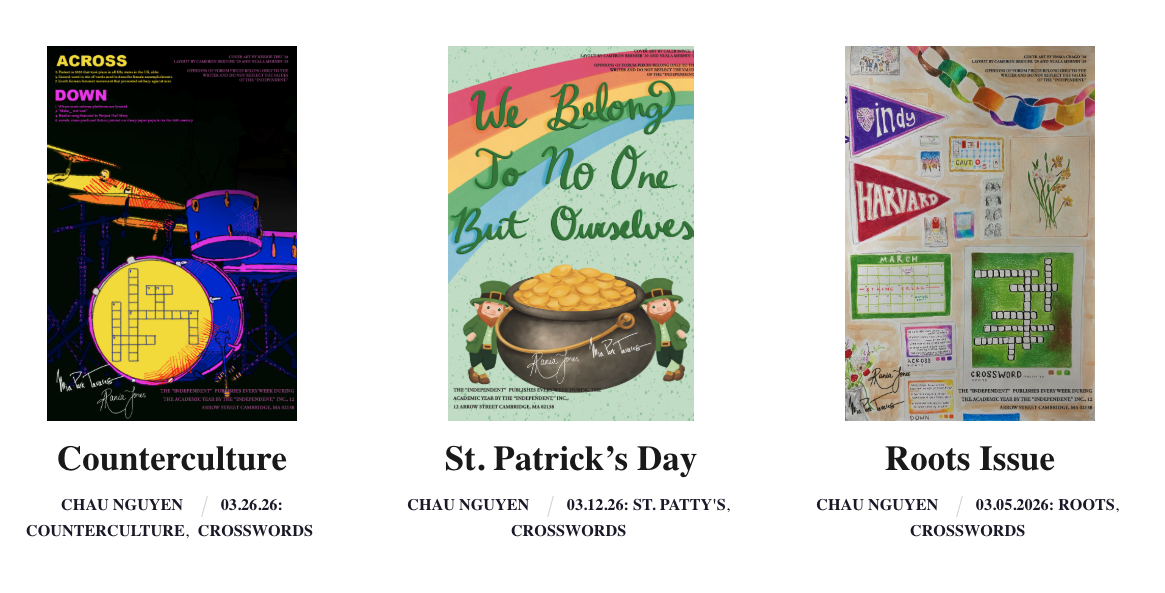
The Harvard Independent, colloquially known as “The Indy”, has a long history of independent student voice.
The Strategy: By adopting PuzzleMe, they have brought their legacy of crosswords into the digital age. Their puzzles often act as a companion piece to their reporting, providing a playful yet intellectual way for students to engage with campus news and culture.
And here’s a fun fact: Paolo Pasco, the American Crossword Puzzle Tournament champion is an alumnus from Harvard.
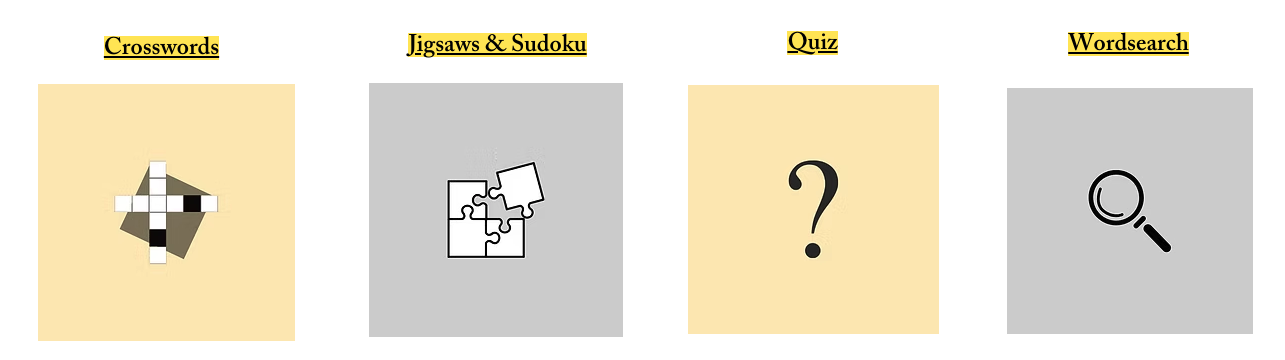
At India’s Ashoka University, the student-led publication “The Edict” demonstrates the power of variety in capturing a diverse student body.
The Strategy: While their games page features a high-energy mix of Jigsaws, Word Searches, and Quizzes, the Crossword remains the strategic anchor of their digital presence. For a liberal arts community, these puzzles function as an intellectual extension of the campus discourse. By offering multiple game types, The Edict ensures there is an entry point and cognitive stimulation for every type of reader, whether they have two minutes for a quick word search or fifteen minutes for a crossword. This variety does not just entertain; it cements the publication’s role as the central hub for campus interaction.
One of the most unique challenges of student journalism is the inevitable turnover of talent. Every year, a new cohort of editors takes over as seniors graduate.
PuzzleMe is built to handle this cycle of succession. Because the platform is intuitive and allows for student-owned content creation, the Games Editor role can be passed down seamlessly. We consistently see new students step in, easily maintaining, and often expanding, the digital puzzles their predecessors built. This ensures that the publication’s digital heritage and reader habits remain intact year after year.
Additionally, building a world-class games section should not be a technical burden for busy student editors. PuzzleMe is designed to act as a creative force multiplier for student newsrooms. With our Magic Fill feature, editors can instantly generate themed, professional-grade mini crossword grids, allowing them to focus on the fun part: writing the perfect campus-specific clues. Furthermore, our integrated AI tools enable editors to take any contextually relevant content, from a breaking news report to a campus policy document, and transform it into an engaging quiz or word search in seconds. By lowering the barrier to creation, PuzzleMe enables the next generation of journalists to focus on what they do best: engaging their community through smart, localized storytelling.
Curious about using PuzzleMe for your student-run news sites? Begin here.
The success of these student newspapers is a call to action for the wider university ecosystem. And while students are the primary solvers today, the engagement data is catching the eye of Alumni Magazine editors.
Puzzles are a universal language that spans generations. In our next feature, we will explore how alumni associations are using these same smart games to bridge the gap between current students and global alumni networks, turning a campus tradition into a lifelong connection.
