

You’re reading the monthly newsletter from Amuse Labs, covering the world of puzzles, publishing, and updates to PuzzleMe™, the most advanced digital platform for smart games.
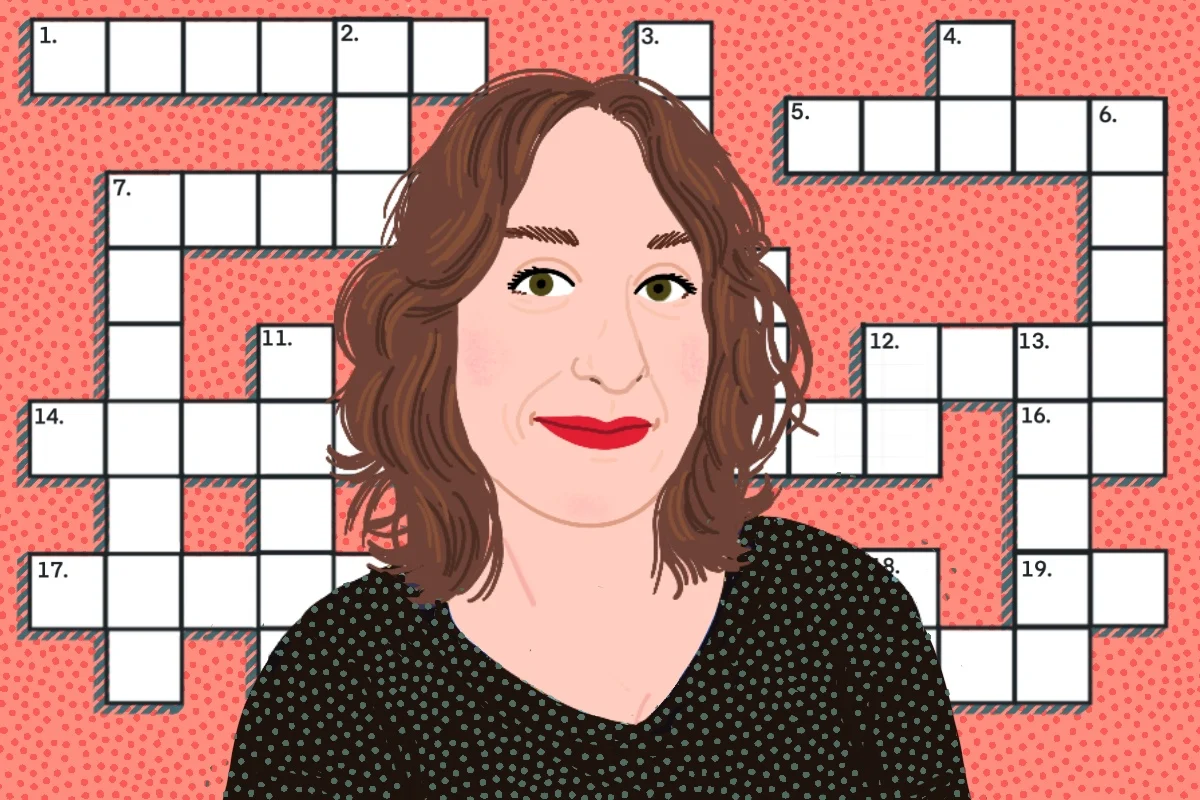
Illustration Credit: The Walrus
The Walrus Is in the Games Business
The Walrus, a Canadian arts and culture magazine, has launched an elaborate new games section with PuzzleMe. Aside from a weekly crossword, readers of the publication will now be able to enjoy a range of puzzles online including Word Flower, WordroW, and Sudoku.
The Walrus is bringing back its crossword 15 years after it was discontinued. Emma Lawson, the publication’s newly-appointed crossword editor, belongs to a wave of inclusive constructors who focus on more culturally diverse clues and references from underrepresented communities.
In Lawson’s own words, “Writers tend to like crosswords, readers tend to like crosswords. It makes sense for an organization like The Walrus.” Here’s a recent interview where she talks about her construction process and preferences.
NYTimes Games Were Played 8 Billion Times Last Year
The New York Times recorded 8 billion gameplays across its portfolio of games last year, with Wordle accounting for a whopping 4.8 billion plays. Connections, a new game launched by NYTimes, recorded 2.3 billion plays.
Jonathan Knight, Head of Games at The New York Times, believes that the key to their success is the company’s focus on building a daily habit instead of trying to get people to stay on the app:
“We’re not trying to get you to spend 24/7 in our app… Maybe you do two or three of them, maybe just one — some people play first thing in the morning, or it’s their before bed habit, or lunch break, or whatever it might be. We want to fit into your life, and I think that’s really resonating with people.”

A Weekly News Quiz by The Los Angeles Times
The Los Angeles Times has launched a weekly news quiz created by Senior Features Writer Adam Tschorn. Every week, the quiz will have 10 questions about California based on stories that appeared in the newspaper over the previous week.
“The hope is that it gives readers another way to engage with us and discover more of the great stories people are writing and publishing every day,” said Matthew Ballinger, Deputy Editor for Content Business Strategy at The Los Angeles Times.
The quiz has been crafted carefully to increase engagement and appeal to the newspaper’s audience. We’re excited to see how the Times’ audience receives this delightful new game.
From the Crossworld
Save the date: Puzzmo is organizing Crossword Con, the first-ever half-day conference about crossword puzzles, on 5th April in New York. The event will be held in-person and live-streamed. Register here to get all the details.
Registrations for Boswords Spring League are now live. You can also find practice puzzles on the website. Meanwhile, we’re all geared up for the American Crossword Puzzle Tournament, being held from April 5th to 7th. The live tournament is booked out, but you can still sign up for the virtual tournament here.
PuzzleMe Spotlight
A selection of features from PuzzleMe, the most advanced digital platform for games
1. Name and Email Collection
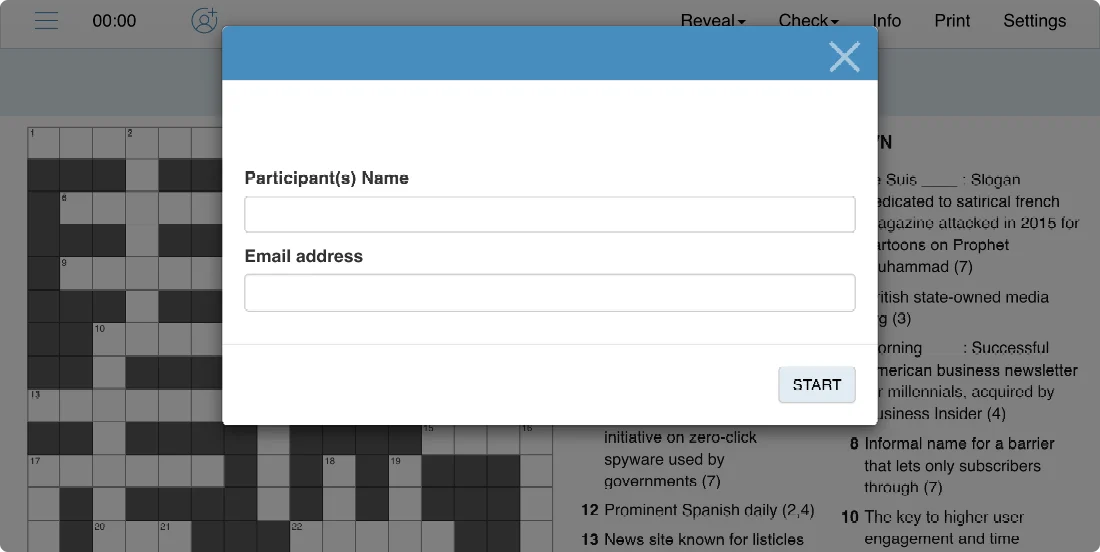
With PuzzleMe, you can collect the names and emails of your players with ease. Build an email list or show a leaderboard using inbuilt forms to collect player information easily.
The form shows up at the start of the game and can be set up to be voluntary or required to access the puzzle.
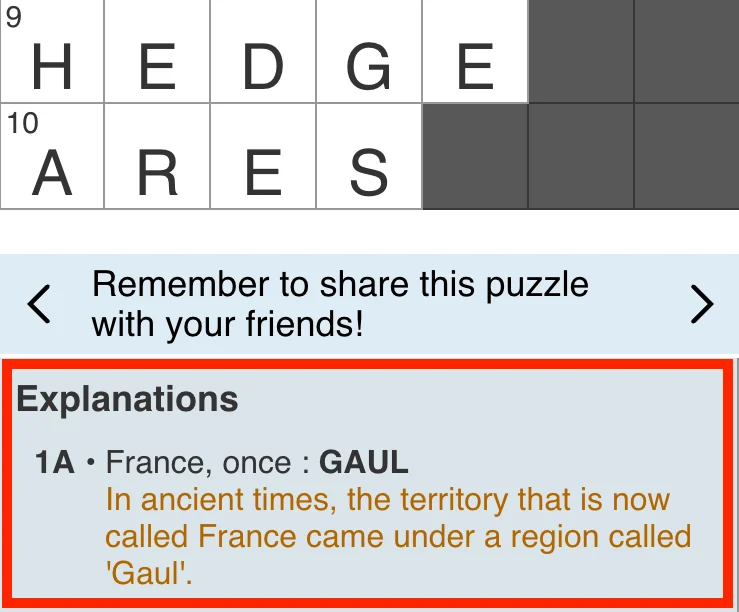
2. Explanations for Crosswords and Quizzes
3. Customize Start and End Screens
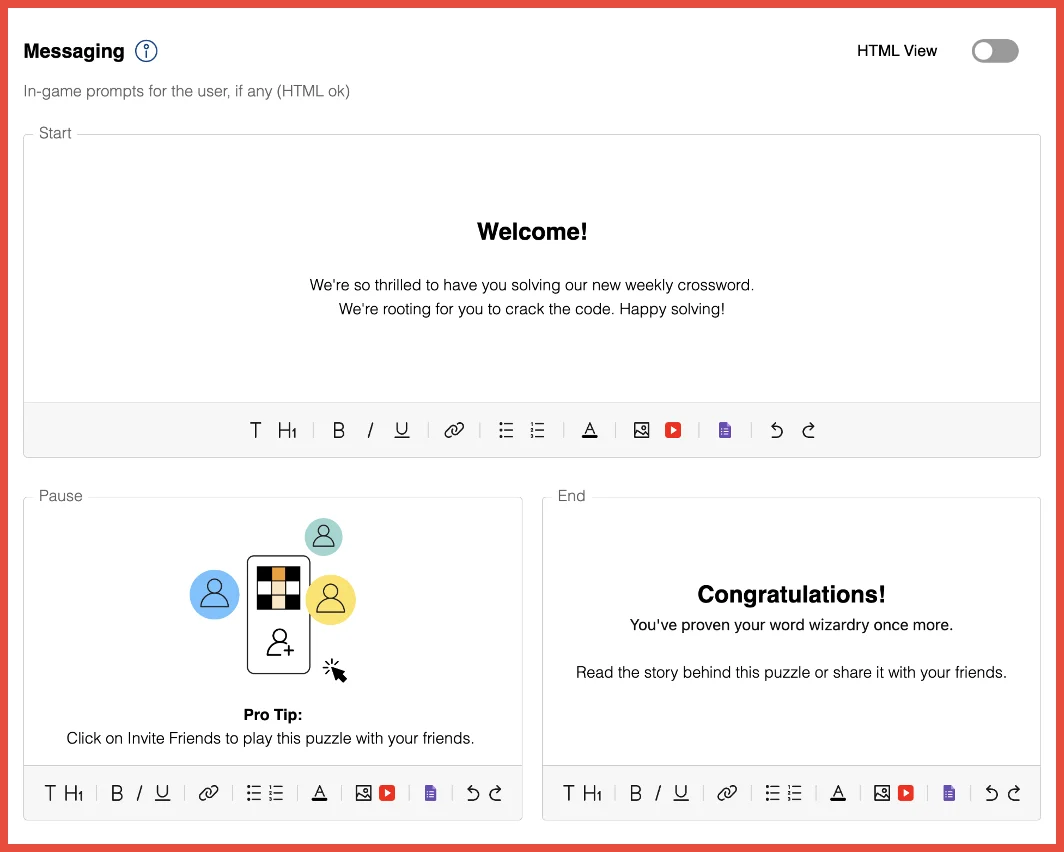
Did you know that you can add images, links, and custom text to the start and end screen of your puzzle? With the PuzzleMe editor, you can format your text, and add multimedia and links right within the editor.
On the start screen, you can insert instructions or information about the theme or constructor of the puzzle. Use the end screen to direct solvers to the right call-to-action or encourage them to sign up for your newsletter.

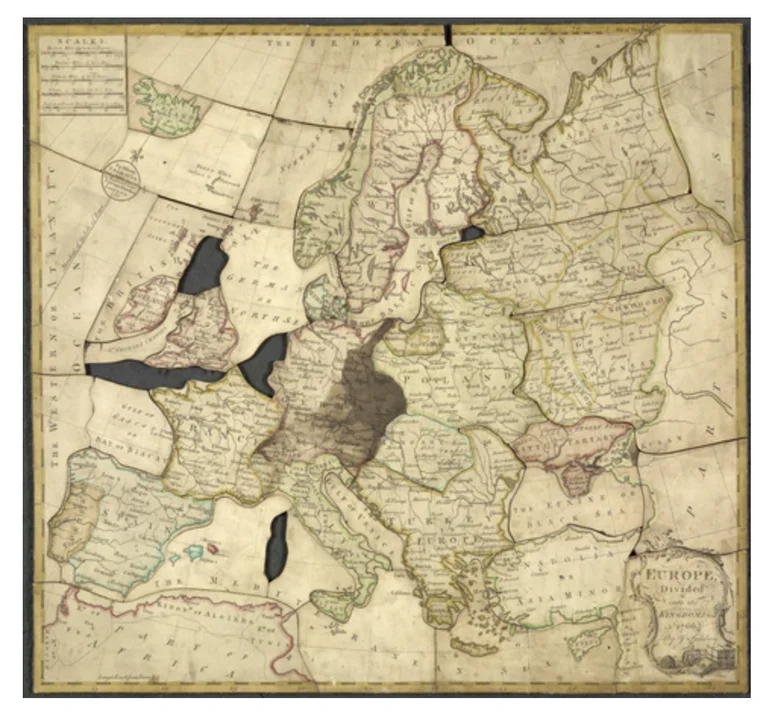
The first recorded jigsaw puzzle was not called a jigsaw. The puzzle’s origins can be traced back to the 1700s when maps were pasted onto wood and then cut up along state boundaries. Called Dissected Maps, this tool was used to teach the location of states and countries to children. The word “Jigsaw” came to be associated with the puzzle in the 1800s when the jig saw, a saw that allowed curved cuts, started to be used to cut the puzzle into pieces.

About Us
Amuse Labs is the creator of PuzzleMe™, the leading digital platform for
Smart Games. It is a B2B SaaS company trusted globally by brands and
publishers, powering Crosswords, Sudokus, Jigsaws, Quizzes, Word Searches
and more. Explore opportunities to partner by sending a note or applying if
you’d like to work with us!

- CreateFuture Keeps Slack Buzzing With Their Take on Wordle - May 27, 2026
- Danish Media Outlet Creates Science-Based Games For Readers - May 22, 2026
- B Square Bulletin Engages Local Audience with Local Puzzles - May 22, 2026
